
Cedar Class Learning
Physical Development
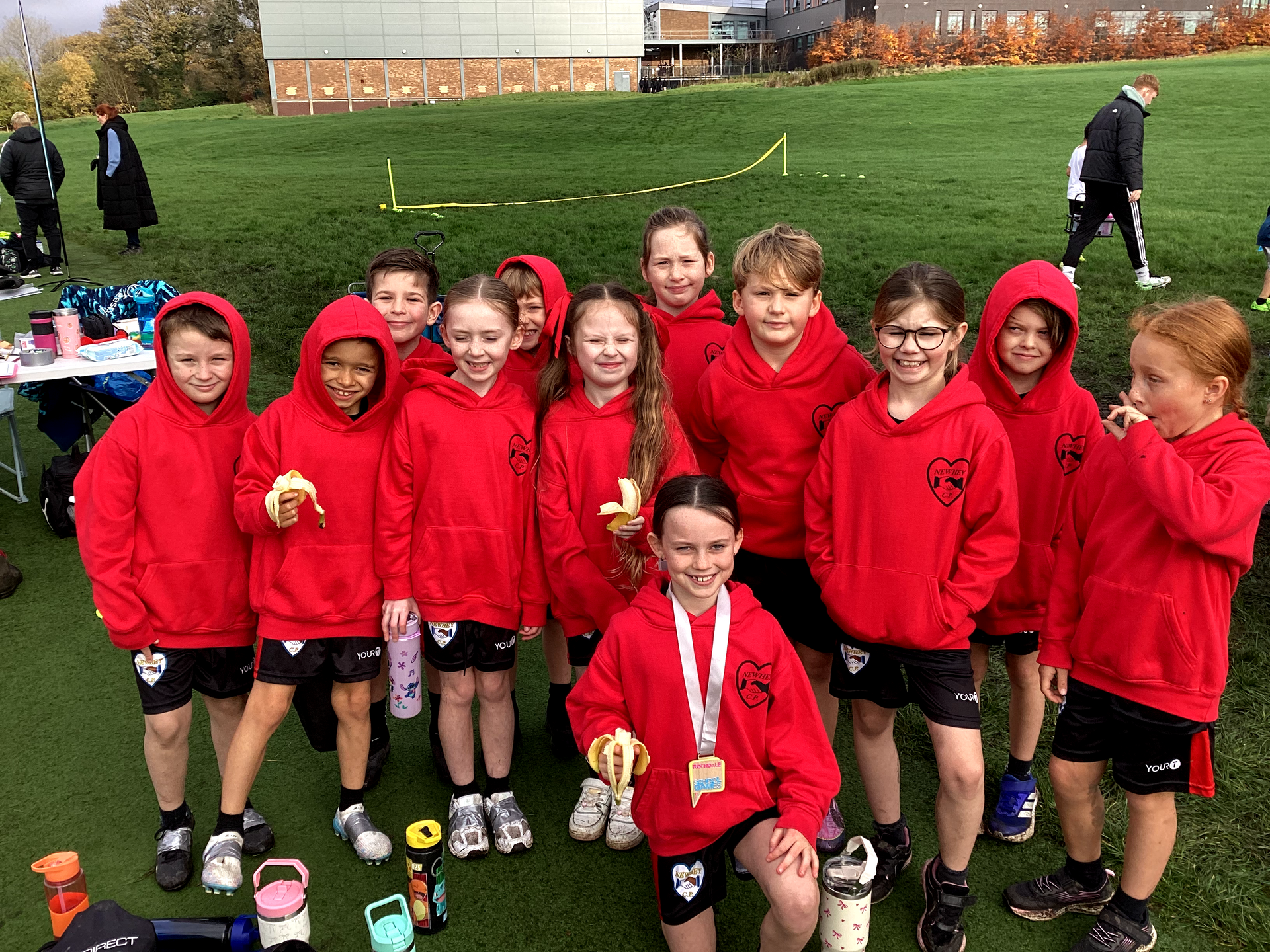
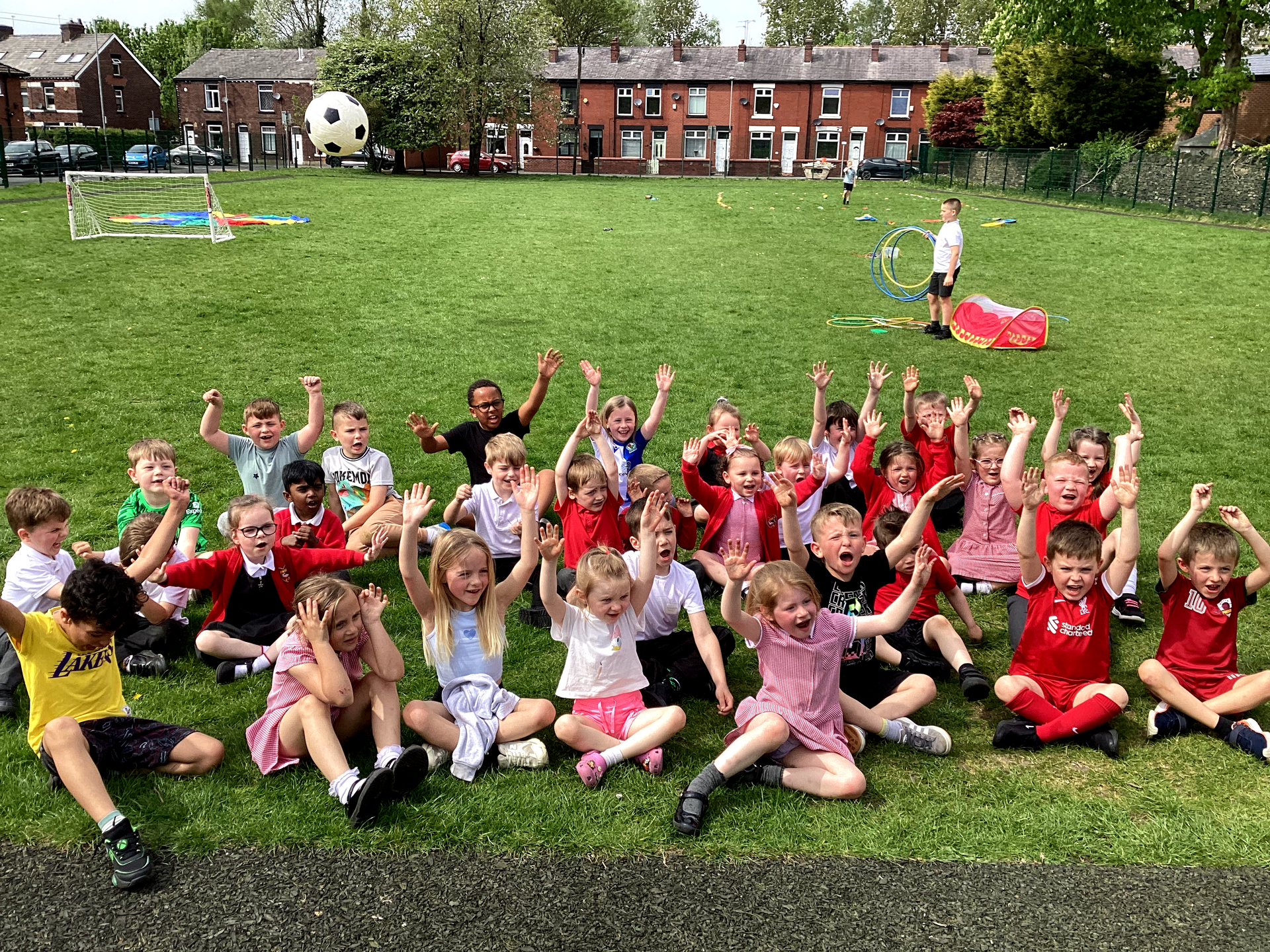
Physical development focuses on both fine and gross motor skills—everything from running and climbing to holding a pencil and using tools. Children also learn about keeping healthy, making safe choices, and understanding self-care routines such as dressing, eating, and hygiene. This area supports overall wellbeing and independence.
Communication and Language
This area helps children develop strong speaking, listening, and understanding skills. Through conversations, storytelling, and role play, children learn to express their ideas, follow instructions, and build a rich vocabulary. It lays the foundation for confident communication in all areas of learning.
Personal, Social & Emotional Development
In PSED, children learn to understand their own feelings and those of others. They build positive relationships, develop social skills like sharing and turn-taking, and gain confidence in trying new activities. This area also supports self-regulation, resilience, and a sense of belonging within their community.
Understanding the World
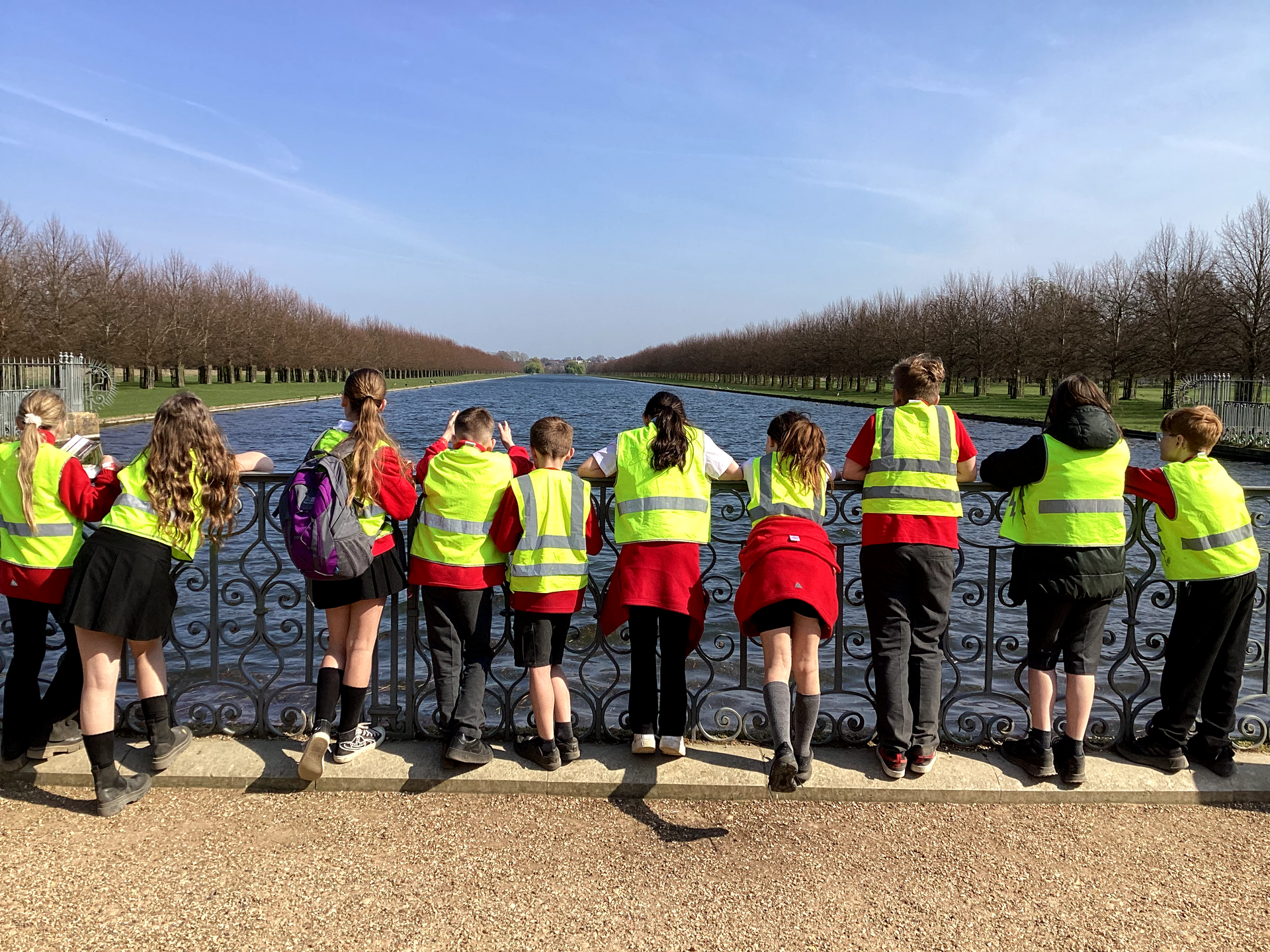
This area encourages children to explore the world around them, including nature, people, cultures, technology, and past and present events. Through investigations, discussions, and real-life experiences, children develop curiosity and begin to make sense of how things work. It supports early scientific thinking and awareness of their environment.
Literacy
Literacy introduces children to the building blocks of reading and writing. They learn to recognise sounds and letters (phonics), enjoy a wide range of books, and begin to understand how stories work. Children also practise mark-making and forming letters to express their ideas in writing, preparing them for future literacy success.
Mathematics
Mathematics helps children develop early number sense, including counting, comparing quantities, and recognising numerals. They explore shapes, patterns, measures, and simple problem-solving through practical, hands-on activities. This area encourages logical thinking and the ability to use maths in everyday situations.
Expressive Arts and Design
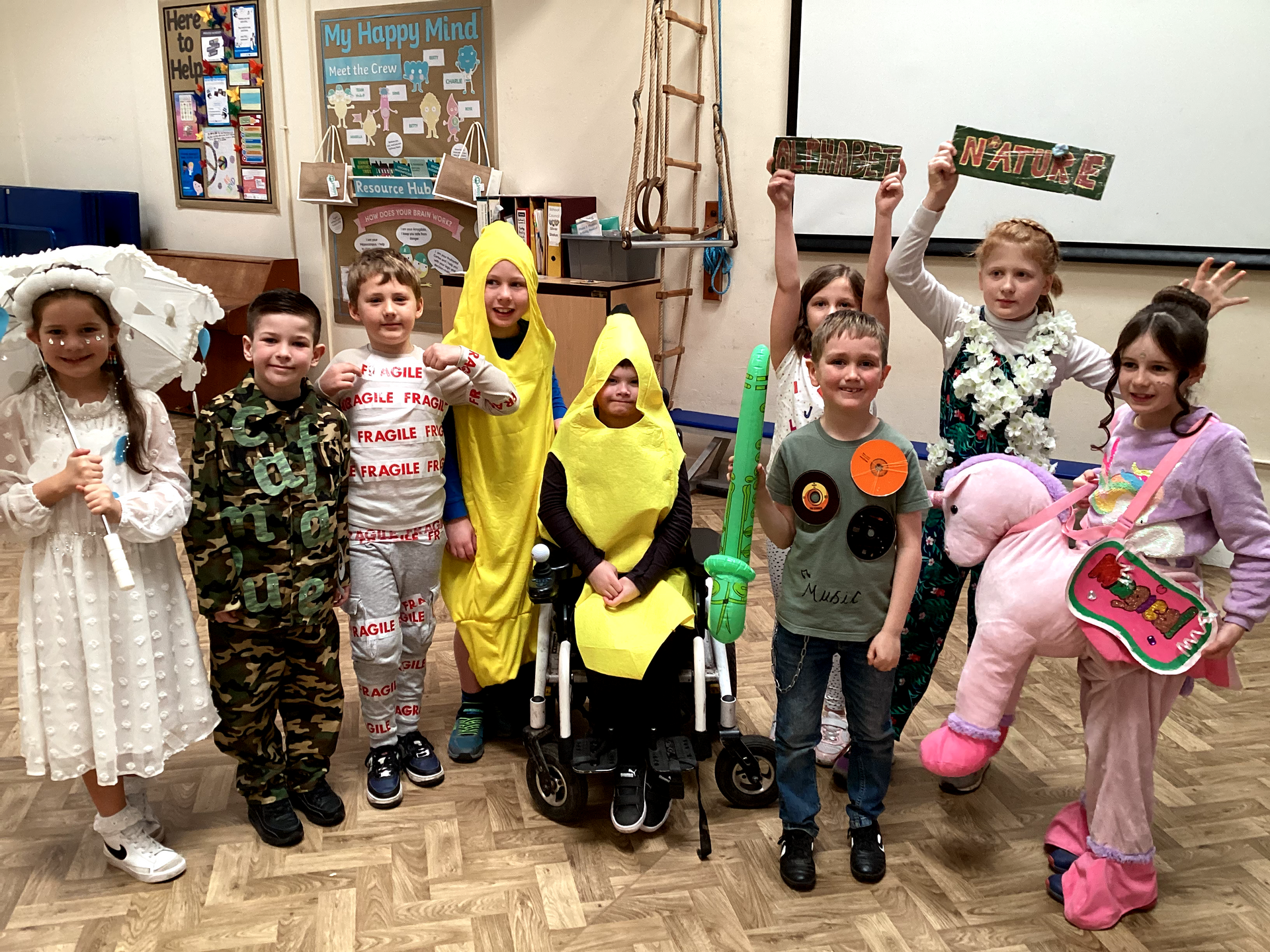
Expressive Arts and Design gives children opportunities to be creative and imaginative. They explore different materials, tools, music, movement, and role play to express ideas and experiment freely. This area helps children develop artistic skills, confidence, and the ability to think creatively and communicate through the arts.


