Hawthorn Class Learning
English
This term we have a selection of exciting books to look at. We’ll start with ‘How to be a Lion’ by Ed Vere. We’ll look at the themes in the book and also write a diary entry about being one of the characters. We’ll revisit the basics of writing by looking at Standard English, capital letters, full stops and handwriting so we can make sure we’ve got the foundational knowledge needed to move our learning on. We’ll be learning about newspaper articles and basing our own writing on a book called ‘Last’ by Nicola Davies. We will look at writing paragraphs, using inverted commas and fronted adverbials. For our poetry unit the children will read ‘Please Mrs Butler’ by Allen Ahlberg and they will write a poem of their own.
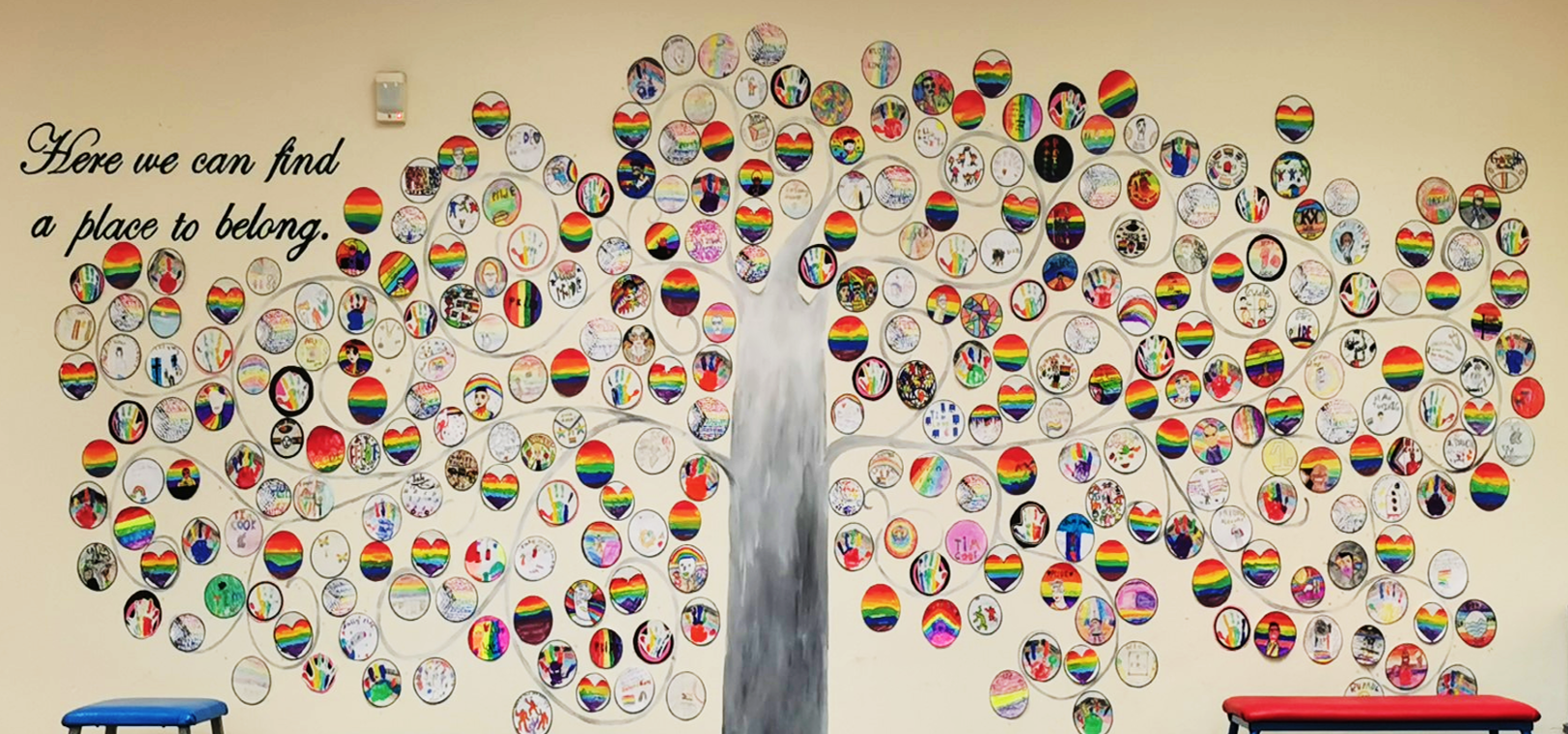
We will write a non-chronological report detailing the life of Harvey Malik which will coincide with our Pride celebrations in school. Children will revisit headings and subheadings, conjunctions and detailing facts in an interesting way. We have a sports person in school to interview and we will be writing an alternative ending to the story ‘Wolves in the Wall’ by Neil Gaiman.
Foundation Subjects
This term the foundation subjects we are learning about are:
Computing:
Summer 1: Video Trailer
We will take photographs and record video to tell a story and create a trailer for a picture book. We will edit and enhance our video adding music, sounds and text.
Summer 2: Online Safety
We will learn how to stay safe online by adjusting privacy settings to protect personal information, identifying fake news and learning how to deal with upsetting content.
Art:
Summer 1: Drawing
We will develop our drawing skills observing simple shapes in the objects that we draw. We will learn how to show texture and tone by developing our shading skills.
Summer 2:
Sculpture & 3D
We will be manipulating a range of materials, learning ways to join and create free-standing structures from 2d card shapes.
D&T: Structures: Castles
Following on from our trip to Skipton Castle, we will learn about the features and structure of a castle and design and make our own using card, reclaimed materials and nets to construct 3d shapes.
Music: Jazz and Traditional instruments & improvisation
In this unit, children will discover ragtime, scat singing, traditional jazz music and syncopation. They will use call and response, create a simple melody using musical notation and play this on a glockenspiel. In traditional music they will learn about traditional Indian instruments and read musical notes to play a piece of music.
PSHE: Safety & the changing body, Transition
RE: Why do people pray? This is the key question of this term. We will dive into further detail looking at the Hindu, Muslim, Christian and Jewish religions. The children will describe what some believers say and do when they pray and the practice of prayer in the religions studied They will make connections between what people believe about prayer and what they do when they pray. In addition, we will consider and evaluate the significance of prayer in the lives of people today.
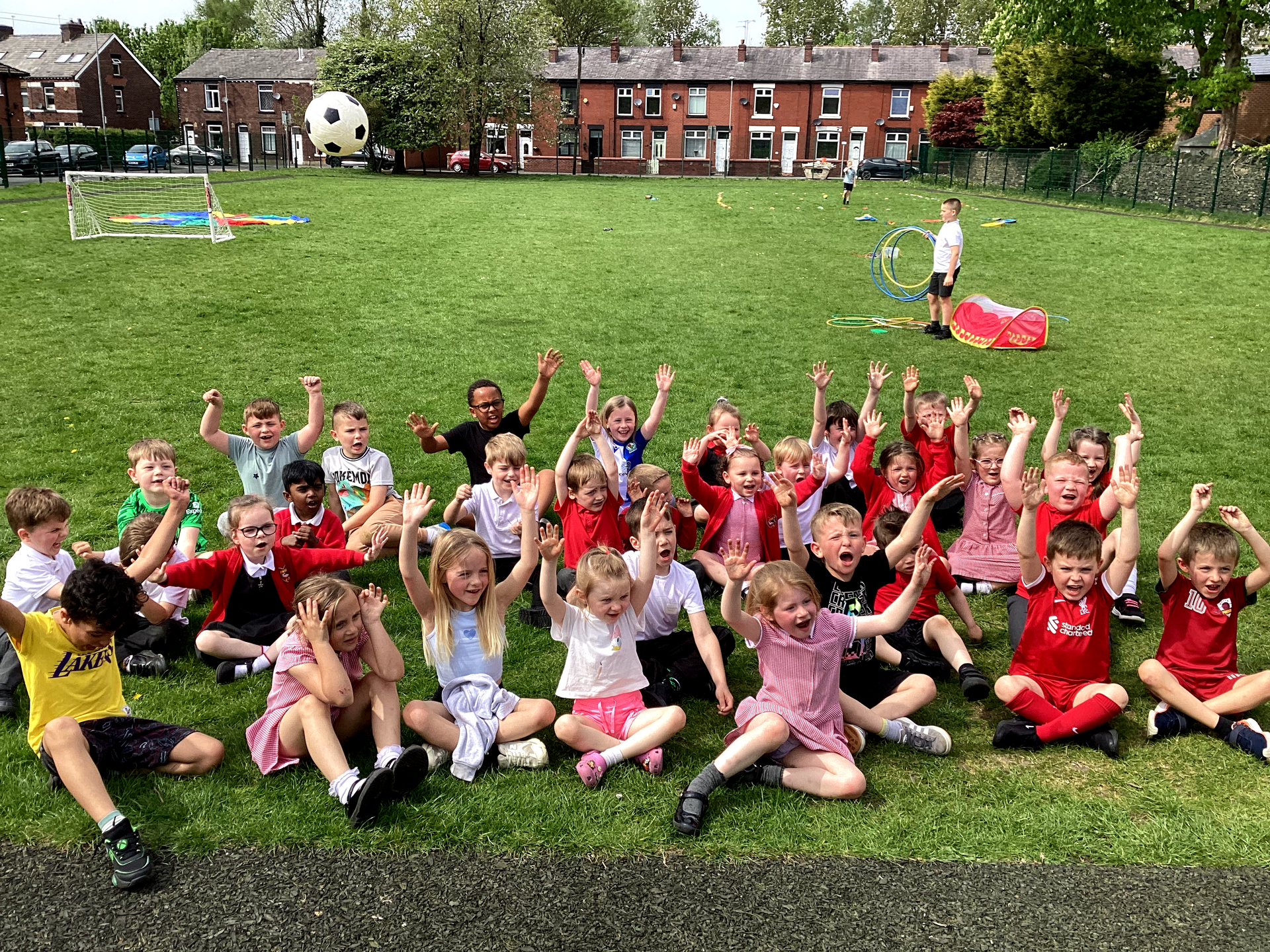
PE: Summer 1 - Athletics with Edstart (both years), cricket (year 3) and swimming (year 4)
The children will learn how to field the ball in different ways, bowl the ball overarm, play correct batting shots, understand the rules of kwik cricket and play a game of it.
In athletics the children will develop running, jumping, and throwing techniques through simple activities and games. Pupils practise running at different speeds, including short sprints and longer distances, and learn how to control their pace. They explore jumping for distance and height, using safe and balanced take-offs and landings. In throwing, they use a variety of objects to improve accuracy and distance.
Children also begin to understand simple rules, measuring, and recording results, and they learn how to work both independently and as part of a team. Overall, the focus is on building confidence, coordination, and enjoyment of physical activity.
Summer 2 – Netball (both years) and rounders (both years) and swimming (year 4)
They develop fundamental techniques such as throwing, catching, and moving with the ball, as well as learning how to pass accurately to teammates. Pupils are introduced to simple rules, including footwork and positions, and begin to understand how to find space and work as a team.
The focus is on improving coordination, building confidence, and encouraging cooperation while enjoying the game.
In netball. they develop fundamental techniques such as throwing, catching, and moving with the ball, as well as learning how to pass accurately to teammates. Pupils are introduced to simple rules, including footwork and positions, and begin to understand how to find space and work as a team.
The focus is on improving coordination, building confidence, and encouraging cooperation while enjoying the game.
In rounders they practise throwing, catching, and striking a ball, using a bat with control. Pupils learn how to run between bases safely and begin to understand basic rules, such as when to run and how to get players out.
Children also develop teamwork and communication, learning how to play fairly and support others, while building confidence and enjoyment of the game.
Geography: What are rivers and how are they used?
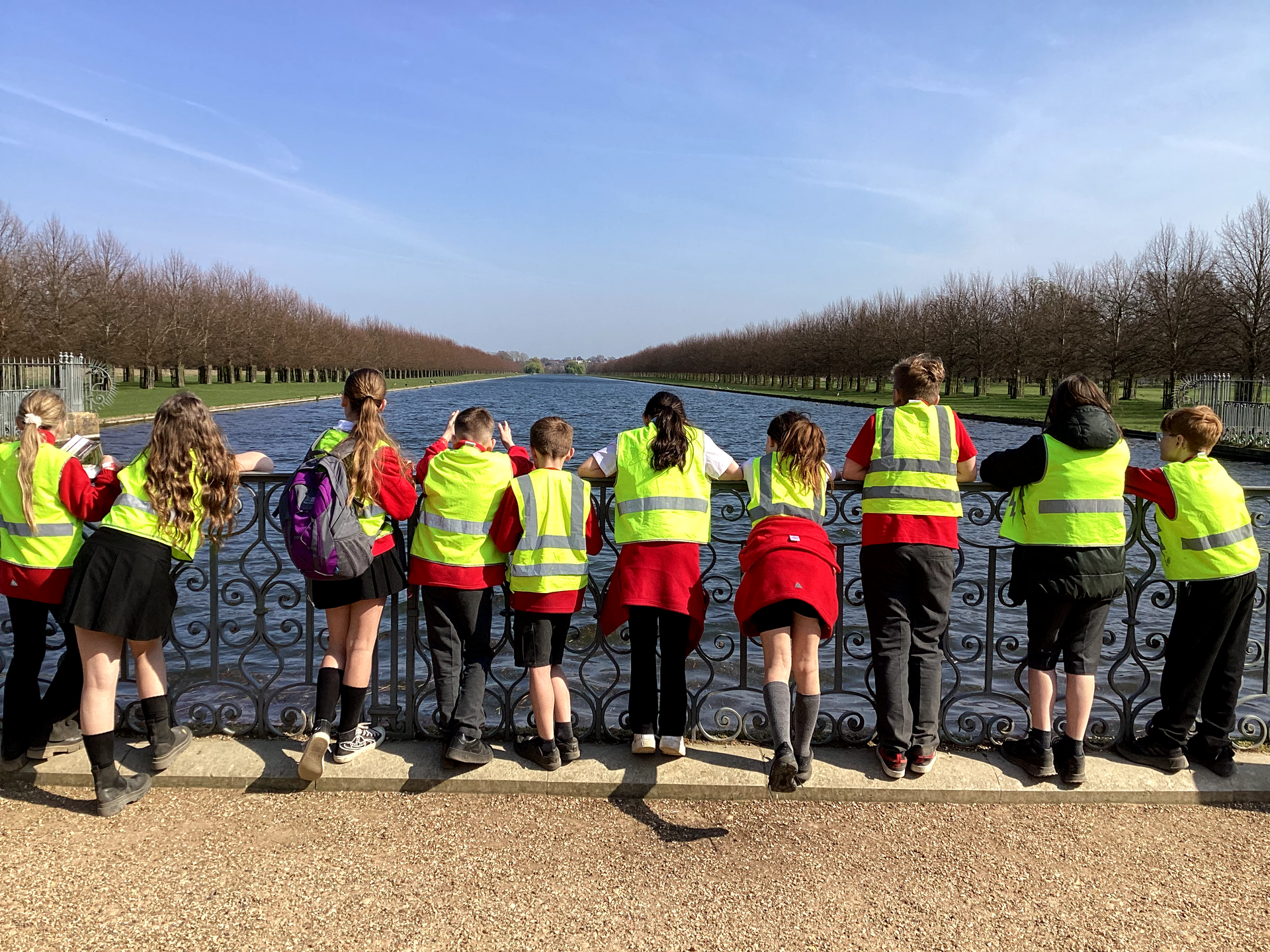
Children will learn about the features of rivers and how they are used and formed. We will find out about the water cycle. We will find out about our local rivers and carry out fieldwork.
History: Local Study: Who were the Rochdale Pioneers
This term we will be finding out about the Rochdale pioneers and their ideas and values that started the Co-operative. We will see the significance of this movement and its global impact. A visit to the Pioneers’ Museum in Rochdale will also take place
Maths
In Maths we have new and exciting learning to move us on. We will start with time and look at both digital and analogue clocks and convert between the two. We will learn to tell the time to the nearest five minutes and look at durations of events.
Following this, we move on to decimals and looking at tenths and hundredths of a number to support decimal places. We will use place value charts and number lines to help and place decimals and their equivalent fractions onto the number lines. Halves and quarts as decimals will be explored as will rounding to the nearest whole number.
As we move on to money, we will refresh about pounds and pence and write money as decimals before moving on to converting money, estimating amounts and adding & subtracting money.
In shape we will look at turns and angles, triangles, quadrilaterals and polygons. We will look again at right angles and parallel lines so that we can clearly give the properties of a shape.
Geometry learning allows us to explore turns and angles as well as drawing and translating shapes on a grid from instructions given.
Finally, we cover statistics which will involve looking at pictograms, bar charts and line graphs and interpreting data in order to answer questions. We will create our own graphs so that we can collect and represent data.
Science
This half term we will be exploring how sound is made using different musical instruments from around the world and recording observations in a results table. We will look at how sounds travel through different mediums to the ear and investigate how vibration strength and distance affect the volume and pitch. Finally, we investigate which materials make the best insulators.
In the second half of the spring term, our topic will be living things, classification and habitats. We will explore the different ways that living things can be grouped and create keys. Children will explore different habitats and their inhabitants as well the impact the humans have on habitats.


